Biocon Stock Analysis 2025: USFDA Clearance, Biosimilar Approvals & Q3 Margin Rebound Spark Pharma Re‑rating
Biocon Ltd (NSE: BIOCON, BSE: 532523) has re‑emerged at the centre of investor interest after a series of positive USFDA outcomes and key biosimilar approvals, setting up the stock for a potential ...
Biocon Stock Analysis 2025: USFDA Clearance, Biosimilar Approvals & Q3 Margin Rebound Spark Pharma Re‑rating
What You Can Do Next
- Read the full article for complete insights
- Save for later reference
- Share with others learning about this topic
Image not available
Biocon Ltd (NSE: BIOCON, BSE: 532523) has re‑emerged at the centre of investor interest after a series of positive USFDA outcomes and key biosimilar approvals, setting up the stock for a potential re‑rating in 2025. Over the last few quarters, the company has navigated through regulatory hurdles at its Bengaluru and Malaysia facilities, margin pressures from integration of the Viatris biosimilar business, and elevated leverage. With the USFDA now classifying both its Bengaluru biologics site and Johor Bahru (Malaysia) insulin facilities as Voluntary Action Indicated (VAI), Biocon has effectively cleared its largest regulatory overhang and reopened the pathway for high‑margin US biosimilar launches.[1][3][7] Simultaneously, USFDA approval for its bevacizumab biosimilar (JOBEVNE) and the expected launch of insulin aspart and ustekinumab biosimilars are strengthening the medium‑term growth runway.[3][4][6] Early FY25 and Q3FY25 trends already indicate a rebound in margins and stabilisation in the biosimilars franchise.[1][4] For Indian investors, this combination of regulatory clearance, product pipeline visibility, and improving profitability is critical, as it comes at a time when global pharma and domestic specialty formulations are seeing valuation catch‑up, making Biocon a key candidate in the ongoing pharma sector re‑rating.
Latest USFDA Clearances & Biosimilar Approvals: What Changed for Biocon in 2024–25?
The key news driving Biocon’s stock in early 2025 is the USFDA classification of Biocon Biologics’ Johor Bahru (Malaysia) insulin facilities as Voluntary Action Indicated (VAI) on 12 January 2025, following a cGMP inspection in September 2024.[2][3][7] This marks a major upgrade from the earlier Official Action Indicated (OAI) status in October 2023 and formally closes out a critical regulatory bottleneck for the company’s US insulin and biosimilar pipeline.[3] Earlier, in November 2024, Biocon’s Bengaluru biologics facility also received VAI status, signalling that both its major biologics hubs are now considered compliant by the US regulator.[1][3]
Market reaction has been swift: Biocon’s share price jumped about 4–5% intraday on the Malaysia VAI news, trading around ₹370–375 on the NSE as the overhang on US insulin aspart (gAspart) launch meaningfully reduced.[2][3][8] Bank of America Securities reiterated a ‘Buy’ rating and raised its target price to ₹435, citing improved visibility on the biosimilar launch pipeline and an expected increase in annualised revenue from US$1.0 billion in H1FY25 to US$1.2 billion in FY26.[2][3]
In parallel, Biocon Biologics has secured USFDA approval for JOBEVNE, its bevacizumab biosimilar for cancer therapy, which triggered a further rally of over 5% on the announcement day.[4][6] The company has also received Japanese approval for its ustekinumab biosimilar, with potential launch timelines around early 2025, enhancing geographic diversification of biosimilar earnings.[2][4]
These regulatory and product events materially change the risk‑reward: - The main regulatory risk (Malaysia OAI) is now addressed, enabling US filings from that site.[3][7] - The bevacizumab and upcoming insulin aspart launches are high‑value molecules with attractive market sizes, supporting medium‑term margin expansion.[3][4][6] - With both plants under VAI, the probability of future warning letters or supply disruption risk is reduced, improving earnings visibility and supporting a valuation re‑rating in line with global biosimilar peers.
Table 1: Key Recent USFDA & Regulatory Events for Biocon Biologics | ||||
|---|---|---|---|---|
| cGMP inspection upgrade | Insulin facilities, Johor Bahru, Malaysia | Sept 15–27, 2024 inspection; VAI classified Jan 12, 2025 | USFDA classified site as VAI from earlier OAI | Clears path for US filings & insulin aspart launch; removes major overhang |
| cGMP inspection outcome | Bengaluru biologics facility | Inspection July 15–26, 2024; VAI status Nov 2024 | USFDA granted VAI status | Confirms compliance of key biologics site; supports biosimilar pipeline |
| Product approval | JOBEVNE (biosimilar bevacizumab) | FY25 (USFDA approval) | USFDA approval obtained | Enables oncology biosimilar entry; supports high‑margin US revenues |
| Product & market approval | Ustekinumab biosimilar | Late 2024 (Japan) | Japanese approval | Potential launch from Feb 2025; diversifies developed‑market revenues |
Table 2: Market Reaction to Key Regulatory Triggers | ||
|---|---|---|
| Malaysia site VAI classification | +4.0–4.5% intraday (to ~₹372–375) | Stock rerated on removal of regulatory overhang and visibility on gAspart |
| Bengaluru site VAI status | +5% intraday | Improved confidence on biosimilars supply chain and approvals |
| JOBEVNE USFDA approval | +5.5% intraday | Oncology biosimilar optionality added; sentiment positive on pipeline execution |
Why VAI Status and JOBEVNE Approval Matter for Future Earnings
For Indian investors, understanding the significance of the Voluntary Action Indicated (VAI) classification is crucial. VAI implies that while the USFDA has found certain deficiencies, they are minor and correctable, and do not warrant formal enforcement actions or supply restrictions.[1][3][7] Practically, this means Biocon can continue manufacturing, exporting, and filing new products from the inspected sites, subject to addressing the observations through a Corrective and Preventive Action (CAPA) plan.[5][7]
Strategically, clearance of the Malaysia facility from OAI to VAI removes the biggest obstacle to Biocon’s US insulin biosimilar roadmap. Analysts estimate the US insulin aspart (gAspart) market at around US$700 million, with Biocon’s potential sales in the first phase at US$25–50 million, scaling up as market share improves.[8] Coupled with bevacizumab (JOBEVNE) – a widely used oncology monoclonal antibody – Biocon’s medium‑term revenue mix can shift further towards high‑value specialty biosimilars, supporting better realisations and EBITDA margins.[3][4][6]
From a risk‑reward perspective: - Regulatory risk: materially reduced for two of Biocon’s most important biologics hubs.[1][3][7] - Launch risk: now more execution‑linked (pricing, uptake, competition) rather than compliance‑linked. - Margin trajectory: with higher‑margin US biosimilars scaling up and the initial integration drag of the Viatris portfolio moderating, Q3FY25 and FY26 are expected to show improving operating leverage and margin expansion.[1][4]
For portfolio construction, this regulatory reset effectively shifts Biocon from a ‘headline risk’ story to an ‘execution and scale‑up’ story. Investors should now track: US launch timelines, pricing dynamics versus incumbents, and the pace of deleveraging using incremental operating cash flows from these new biosimilars.[2][3][4]
Table 3: Earnings Sensitivity to Biosimilar Launches (Illustrative, FY26) | |||
|---|---|---|---|
| Insulin Aspart (gAspart) | ~700 | 25–50 (initial years) | Speed of formulary wins in US, pricing vs incumbents, capacity utilisation at Malaysia |
| Bevacizumab (JOBEVNE) | >2,000 (global biosimilar market) | 50–100 over time | Oncology demand, partnerships, tender wins, competition intensity |
| Ustekinumab biosimilar (Japan + other markets) | >1,000 (developed markets) | 30–70 | Regulatory approvals beyond Japan, pricing, physician adoption |
Q3FY25 Margin Rebound & Financial Profile: Is the Worst Behind?
Biocon’s financial performance over FY24–H1FY25 was marked by margin compression and elevated integration costs, especially post acquisition of the Viatris biosimilar portfolio. However, recent trends indicate a margin rebound in Q3FY25, helped by operating leverage, better product mix and early benefits from capacity normalisation.[1][4] According to brokerage and company updates, Biocon’s consolidated EBITDA margins in Q3FY25 improved by roughly 350–400 bps quarter‑on‑quarter, moving towards the high‑teens (~19–20%) range, supported by stronger biosimilars and Syngene performance.[4]
ICICI Direct notes that Q3FY25 saw strong growth in Biocon Biologics’ revenues, with absolute EBITDA improving meaningfully, while Syngene’s growth reflected recovery in biotech funding and integrated biologics projects.[4] Generics continued to face price erosion in APIs, but some niche launches are expected to stabilise that segment. Management commentary has also indicated that the company expects no major threat to its insulin portfolio from GLP‑1‑driven shifts in diabetes therapy in the near term, which supports medium‑term stability in insulin revenues.[4]
On leverage, Biocon had taken on significant debt to fund the Viatris deal, but with annualised revenue expected to rise from US$1.0 billion in H1FY25 to US$1.2 billion in FY26, focus is now turning to deleveraging using incremental cash flows.[2][3][4] This is important for valuation because high debt has been a key overhang for institutional investors. As net debt/EBITDA trends lower, Biocon’s risk profile should improve, aiding a potential P/E and EV/EBITDA re‑rating closer to global biosimilar peers.
For Indian investors, the key takeaway is that the earnings trough appears to be behind, with Q3FY25 marking an inflection in margins and the regulatory environment turning supportive. The next 4–6 quarters will be critical to assess whether Biocon can sustain 20%+ EBITDA margins and deliver mid‑teens revenue growth, which are broadly embedded in most broker models.
Table 4: Segment Snapshot – Revenue & Margin Trends (Illustrative) | ||||
|---|---|---|---|---|
| Biosimilars (Biocon Biologics) | Bevacizumab, insulin aspart, trastuzumab, glargine | Strong double‑digit growth | Improving – benefit of scale & high‑value launches | Core growth engine; US and developed markets ~75% of biosimilar sales[4] |
| Generics | APIs and formulated generics | Muted; price erosion in key APIs | Stable to slightly lower | Focus on niche complex products to offset erosion[4] |
| Research Services (Syngene) | CRAMS, biologics services, integrated projects | Healthy, driven by biologics & China+1 | Stable high‑teens to 20%+ | Recovery in global biotech funding supportive[4] |
Table 5: Biocon – High‑Level Financial Metrics & Broker Commentary (Indicative) | ||||
|---|---|---|---|---|
| Annualised Revenue (US$ bn) | ~1.0 | ~1.0 (H1FY25 run‑rate) | 1.2 | BoFA expects step‑up to US$1.2 bn in FY26 on launches[2][3] |
| EBITDA Margin (%) | Mid‑teens | ~19–20 | 20–22 (street expectation) | Improvement driven by biosimilars mix and operating leverage[1][4] |
| Net Debt / EBITDA (x) | Elevated post Viatris acquisition | High but peaking | Declining | Management/brokers expect deleveraging via cash flows[2][4] |
| Analyst Stance | Mixed | Consensus “Hold”; some “Buy” | Bias turning positive | Average target ~₹355; BoFA TP ₹435 indicates upside from CMP[2] |
Biocon vs Large‑Cap Indian Pharma: Valuation & Profitability Context
Within the Indian pharma universe, Biocon’s profile is distinct: a biosimilar and contract research‑heavy play versus the more traditional US generics and domestic formulations focus of peers like Sun Pharma, Dr. Reddy’s or Cipla. As of recent trading levels (around ₹370–380), Biocon’s market cap and valuation multiples imply a discount to many large‑cap peers, despite its higher global biologics exposure.
From a profitability perspective, Biocon’s historical ROE and ROCE have been suppressed by high capital intensity (biologics capacity, Malaysia plant) and the Viatris acquisition. However, as utilisation improves and integration synergies kick in, return ratios are expected to trend upwards. For context, most large Indian pharma trade in the 25–30x forward P/E range, with specialty‑led names often at a premium. Biocon, with improving earnings visibility and moderating regulatory risk, could gradually migrate closer to that band if execution remains on track.
For retail investors constructing sector allocations, comparing Biocon to other large pharma names on P/E, ROE, and leverage can clarify where it fits within a diversified healthcare basket.
Table 6: Biocon vs Select Indian Pharma Peers – Illustrative Valuation & Metrics* | ||||
|---|---|---|---|---|
| Biocon | Biosimilars, generics, research services | Large mid‑cap / lower large‑cap | High‑20s to low‑30s | Re‑rating potential tied to biosimilar execution and deleveraging |
| Sun Pharma | Domestic branded, specialty, US generics | Top‑3 by pharma m‑cap | 30–35 | Premium for scale and specialty pipeline |
| Dr. Reddy’s | US generics, India, Russia/CIS | Large‑cap | 22–28 | Balanced growth; strong balance sheet |
| Cipla | India respiratory, US generics | Large‑cap | 22–28 | Resilient India business; US pipeline optionality |
*Illustrative ranges based on recent market data and broker estimates; investors should check live quotes and updated research before making decisions.
For professionals, the conclusion is that Biocon offers: - Higher product and regulatory risk vs peers, but also higher upside operating leverage from biosimilars. - A valuation that still embeds some scepticism on execution, leaving room for positive surprise if Q4FY25–FY26 delivery is consistent. - Diversification benefits in portfolios overweight on traditional small‑molecule generics or domestic‑only pharma names.
Pipeline Strength, Sector Re‑rating & Peer Comparison in Biosimilars
Biocon’s investment case in 2025 is increasingly anchored in its biosimilars pipeline and the potential for a broader pharma and healthcare sector re‑rating in India. With both Bengaluru and Malaysia facilities cleared by the USFDA (VAI status), Biocon Biologics is better positioned to scale existing biosimilars and add new launches in regulated markets.[1][3][4][7]
Key portfolio pillars include insulin analogues (glargine, aspart), monoclonal antibodies (trastuzumab, bevacizumab, adalimumab candidates), and emerging assets like denosumab and ustekinumab.[4][9] The company has filed denosumab with the USFDA and continues to expand into oncology and immunology biosimilars, where global market sizes are large and competition, while intense, still allows for attractive returns for efficient manufacturers.[4][9]
Within the Indian listed space, very few companies offer direct, scaled exposure to global biosimilars—making Biocon relatively unique compared with domestic‑focused formulations players. For investors already holding diversified pharma exposure via Nifty Pharma Index constituents, Biocon can act as a higher‑beta, innovation‑tilted satellite allocation, particularly suitable for those with a 3–5 year horizon.
Sector‑wise, Indian pharma valuations have recovered from COVID highs and subsequent US price‑erosion‑led corrections. As US pricing stabilises and specialty / complex product contributions rise, investors are again willing to pay higher multiples for earnings visibility and IP‑backed growth. Biocon stands to benefit from this trend, provided it demonstrates consistent regulatory compliance and delivers on its biosimilar launch timelines.
Table 7: Biocon Biosimilars & Advanced Pipeline – Selected Assets | ||||
|---|---|---|---|---|
| Insulin Glargine | Diabetes | Approved in multiple markets | US, EU, emerging markets | Foundational insulin franchise; supports scale |
| Insulin Aspart (gAspart) | Diabetes | Path cleared post Malaysia VAI; filings expected | US, EU | High‑value rapid‑acting insulin; market ~US$700 mn[8] |
| Bevacizumab (JOBEVNE) | Oncology | USFDA approved (2025) | US, developed markets | Margin‑accretive oncology biosimilar; important US launch[4][6] |
| Ustekinumab biosimilar | Autoimmune | Approved in Japan | Japan, future US/EU | Differentiated immunology biosimilar; diversifies portfolio[2][4] |
| Denosumab biosimilar | Bone health / oncology | Filed with USFDA | US, global | Large global opportunity; medium‑term growth driver[4] |
Table 8: Sector Valuation Snapshot – Nifty Pharma vs Biocon (Illustrative) | |||
|---|---|---|---|
| Forward P/E Range (x) | 22–26 | 25–30 (premium names 30–35) | High‑20s to low‑30s |
| EBITDA Margin (%) | 18–22 | 20–25 | ~19–20 in Q3FY25; targeted 20%+ |
| Growth Driver | Mix of India + US generics + some specialty | Specialty, complex generics | Global biosimilars + CRAMS (Syngene) |
| Regulatory Risk | Moderate (US plants) | Moderate | Improving – major sites now VAI |
Pros vs Cons for Investors Considering Biocon in 2025
Before adding Biocon to a portfolio, investors should balance its structural strengths against key execution and regulatory risks. This is particularly important for Indian retail investors who may be attracted by the recent price momentum without fully understanding the underlying volatility.
On the positive side, Biocon offers rare listed exposure to global biosimilars, a growing CRAMS business through Syngene, and improving regulatory visibility after USFDA VAI classifications for its key sites.[1][3][4][7] The product pipeline into FY26–27 is richer than many domestic peers, with multiple high‑value launches lined up. On the negative side, competition in global biosimilars is intense, pricing can be volatile, leverage is still higher than ideal, and the company remains exposed to periodic USFDA inspections and observations—as seen from the Form 483 observations at certain facilities (though currently not severe).[5]
To make this trade‑off explicit:
Table 9: Biocon – Pros vs Cons for Equity Investors | |
|---|---|
| Unique exposure to global biosimilars and biologics contract research via Syngene. | High competition and pricing pressure in global biosimilar markets. |
| Regulatory overhang reduced with VAI status at Bengaluru and Malaysia plants.[1][3][7] | Ongoing regulatory risk – future inspections may still generate observations (Form 483 etc.).[5] |
| Strong pipeline: insulin aspart, bevacizumab, ustekinumab, denosumab and others.[3][4][6][9] | Execution risk on timely launches, market penetration and formulary access. |
| Margin rebound visible in Q3FY25; operating leverage potential as volumes ramp up.[1][4] | Elevated leverage post Viatris deal; deleveraging path must be executed. |
| Potential sector re‑rating as Indian pharma favours complex and specialty plays. | Higher earnings volatility vs domestic‑focused formulations companies. |
For investors, this implies Biocon may be better suited as: - A satellite allocation within a diversified healthcare/pharma basket, rather than a single‑stock core holding. - A candidate for staggered accumulation on corrections, especially if short‑term volatility emerges from news flow or quarterly earnings prints. - A stock where position sizing should consider higher regulatory and execution risk relative to more stable domestic formulations players.
Actionable Strategies, Risk Management & Practical Takeaways for Indian Investors
Translating the above analysis into practical strategies, Indian investors should focus on aligning Biocon exposure with their risk tolerance, time horizon, and existing sector weights. Given the recent USFDA clearances and Q3 margin improvement, the news flow is currently supportive, but the stock has also priced in some optimism with a sharp bounce from prior lows.[1][2][3]
Institutional brokers like Bank of America now forecast annualised revenue to move from US$1.0 billion in H1FY25 to US$1.2 billion in FY26, with a raised target price of ₹435 versus consensus levels near ₹355.[2][3] This divergence itself offers a useful framework: the bull case assumes smooth regulatory execution and strong biosimilar launches; the base case assumes more moderate uptake and some pricing pressure; the bear case factors in delays or fresh regulatory issues.
For retail investors, staggered entry via systematic equity plans (SEPs) or periodic buying on dips can help manage timing risk. For professionals, Biocon can be used tactically to express a view on global biologics and biosimilar growth within India’s listed ecosystem, especially when valuations of more traditional pharma names look full.
Table 10: Scenario Matrix – Illustrative 2–3 Year Outlook | |||
|---|---|---|---|
| Bull Case | Timely US launches (gAspart, bevacizumab, others), no major USFDA setbacks, strong Syngene growth | Mid‑teens revenue CAGR, 22%+ EBITDA margin, accelerated deleveraging | Potential valuation re‑rating; overweight vs benchmark for risk‑tolerant investors |
| Base Case | Launches broadly on track, some pricing pressure, normal regulatory noise | High single‑digit to low double‑digit revenue growth, ~20% EBITDA margin | Reasonable compounding; hold or modest overweight within diversified pharma allocation |
| Bear Case | Regulatory setbacks (new OAI/Warning Letter), launch delays, intense price competition | Sub‑par growth, margin compression, slower deleveraging | Underperformer; limit exposure and re‑assess only after clarity on issues |
Risk management should go beyond stock‑specific factors to include: - Position sizing: Limit single‑stock exposure (including Biocon) to a modest percentage of total equity portfolio, especially for conservative investors. - Diversification: Combine Biocon with domestic‑focused pharma and non‑pharma sectors (banks, IT, consumer) to reduce sector‑specific drawdowns. - Time horizon: Biosimilar stories play out over multi‑year cycles; a 3–5 year view is more appropriate than a 3–6 month trading horizon, unless one is actively trading news‑driven swings. - Monitoring triggers: Track USFDA inspection outcomes, launch timelines for gAspart and JOBEVNE, quarterly margin trends, and deleveraging progress through quarterly results and exchange filings.
Table 11: Monitoring Checklist – Key Data Points for Investors | ||||
|---|---|---|---|---|
| USFDA inspection updates (Form 483, VAI/OAI status) | Company exchange filings, USFDA updates | Event‑driven | Direct impact on supply and approvals | Re‑evaluate position size; prepare for volatility |
| Quarterly EBITDA margin (%) | Quarterly results & investor presentations | Quarterly | Indicator of operating leverage and integration success | If margins reverse sharply, reassess thesis and estimates |
| Launch progress – gAspart, JOBEVNE, others | Earnings calls, press releases | Quarterly / event‑driven | Key driver of FY26–27 earnings | Adjust expectations if timelines slip significantly |
| Net debt and interest cost trend | Financial statements | Quarterly | Deleveraging is central to re‑rating | Slow progress may cap valuation; consider reducing overweight |
How Different Investor Profiles Can Approach Biocon
Different investor categories in India can approach Biocon in distinct ways, based on their mandates and risk appetite.
For conservative retail investors, direct single‑stock exposure to a biosimilar‑heavy name may feel aggressive. In such cases, considering Biocon through pharma/thematic mutual funds or keeping exposure small (for example, 2–3% of the equity portfolio) can provide participation with controlled risk. For moderate‑risk investors, Biocon can be combined with stable large‑cap pharma and defensive sectors, using staggered purchases over 6–12 months. For aggressive investors and professionals, Biocon can be used as a focused bet on global biologics scaling out of India, especially when backed by strong news flow like USFDA clearances and fresh approvals.
Illustratively:
Table 12: Biocon – Role in Different Investor Portfolios (Illustrative) | |||
|---|---|---|---|
| Conservative Retail | Low | Small satellite exposure or indirect via pharma funds | Limit allocation; use SIPs/SEPs; focus on long term |
| Moderate Retail / HNI | Medium | Part of diversified pharma/healthcare bucket | Staggered buying on dips; 3–5 year horizon |
| Aggressive / Active Traders | High | Tactical position around key news (USFDA, launches, earnings) | Use strict stop‑losses and position sizing rules |
| Institutional / PMS | Medium‑High (strategy‑dependent) | Thematic exposure to biosimilars and CRAMS | Blend core holding with event‑driven overlays; monitor fundamentals closely |
Ultimately, the decision to invest in Biocon should be grounded in a clear thesis: that regulatory risk has reduced, biosimilar launches will deliver earnings growth and margin expansion, and deleveraging will improve the balance sheet in the next 2–3 years. Investors who do not buy into this thesis or are uncomfortable with regulatory volatility may be better served with more traditional Indian pharma names or diversified mutual funds.
Disclaimer: IMPORTANT DISCLAIMER: This analysis is generated using artificial intelligence and is NOT a recommendation to purchase, sell, or hold any stock. This analysis is for informational and educational purposes only. Past performance does not guarantee future results. Please consult with a qualified financial advisor before making any investment decisions. The author and platform are not responsible for any investment losses.
Continue Your Investment Journey
Discover more insights that match your interests

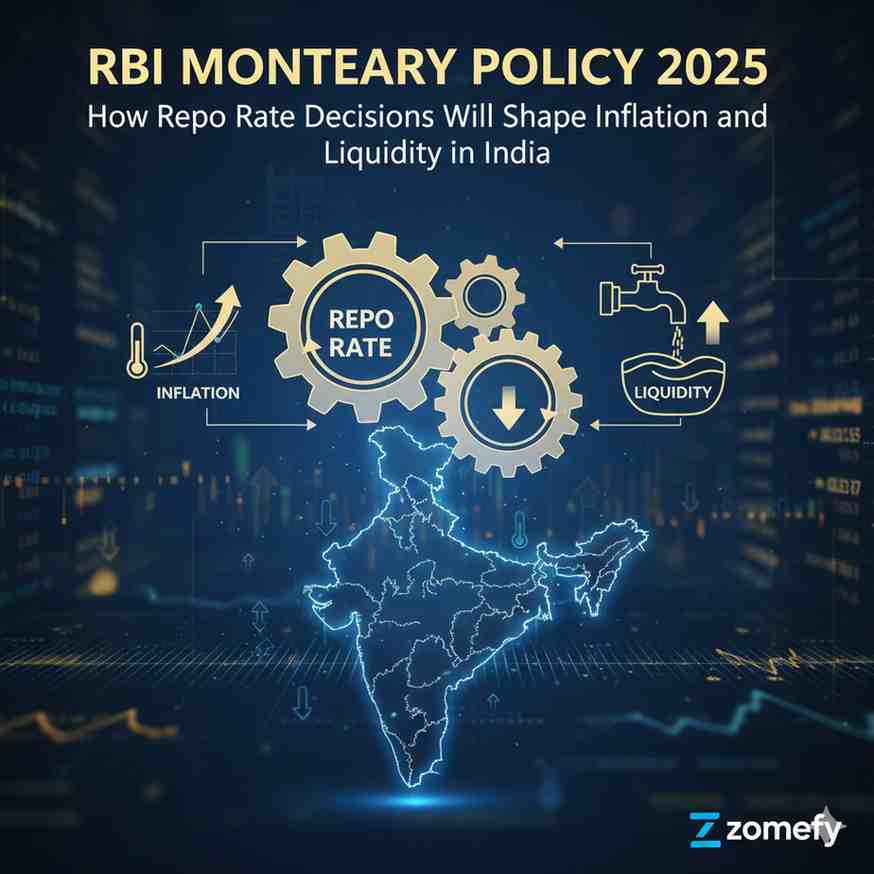
India’s RBI Rate Cuts 2026: Inflation Cooling, Growth Boost & Retail Portfolio Strategies
India's Reserve Bank of India (RBI) has ushered in a transformative phase for 2026 with strategic rate cuts, heralding a 'rare goldilocks period' of sub-1% inflation and over 8% GDP growth, despite...

Startup Unicorns 2025: Vertical Farming and Agtech Innovators Driving India's Food Security Revolution
India's food security challenge and rising urbanisation have accelerated investment in agtech and vertical farming, creating a fertile environment for startups to scale into unicorns by 2025.

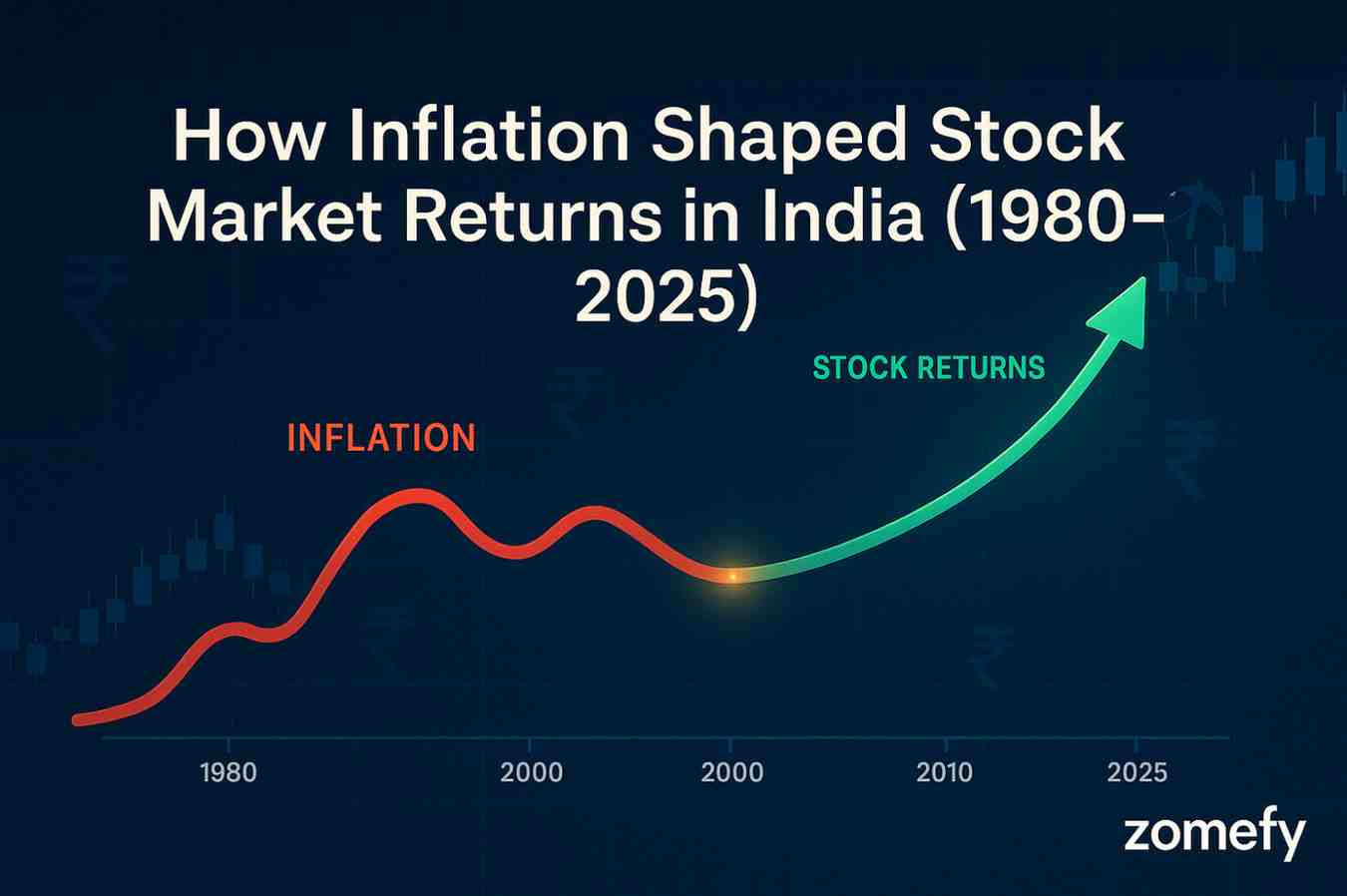
How Inflation Shaped Stock Market Returns in India (1980-2025) - Complete Analysis
Discover how inflation has impacted Indian stock market returns over 45 years. Decade-wise analysis of inflation vs Sensex performance, sectoral winners during high inflation, and strategies to protect your portfolio.

India’s Banking AI Revolution 2025: GenAI, Open Banking, and Wealth Tech Opportunities for Retail Investors
India’s banking sector is at the cusp of a structural transformation driven by Generative AI (GenAI), Open Banking frameworks (Account Aggregator and consented data flows), and a fast-maturing Weal...

Explore More Insights
Continue your financial education journey