
Master Your Money,Navigate the Market
Featured Articles
Our most comprehensive and trending analysis
































Latest Articles
Discover our most recent and trending investment insights

Glenmark Pharma: Can New Product Pipeline and Global Market Strategy Drive Sustained Profitability Amidst Regulatory
Glenmark Pharmaceuticals, an Indian pharmaceutical company with a global footprint, has recently reported robust Q1 FY27 earnings, showcasing a significant jump in profitability and revenue.

Redington: Can Strong Q1 Momentum and IT Distribution Growth Sustain Valuation Amidst Market Cyclical
Redington Limited, a significant player in India's technology distribution landscape, has recently garnered considerable market attention following its robust Q1 FY27 performance.

Mazagon Dock Shipbuilders: Can Defense Modernization Drive Sustained Order Book and Margin
Mazagon Dock Shipbuilders Limited (MDL) stands as a cornerstone of India's indigenous defense manufacturing capabilities, a public sector undertaking crucial for the Indian Navy's modernization and...

Manipal Health IPO opens today; GMP at just 2%: Should you subscribe? Manipal
Manipal Health Enterprises (MHE), India's largest pan-India multispecialty hospital network by licensed bed capacity, is opening its Initial Public Offering (IPO) today, July 29, 2026.

Manipal Health Enterprises: Can Premium Healthcare Expansion Drive Sustainable Growth Amidst Rising Competition?
Manipal Health Enterprises, a prominent name in India's healthcare landscape, is poised for a significant transition as it prepares for its Initial Public Offering (IPO) on the NSE and BSE, with su...

SAIL: Can Operational Efficiency and Metal Price Trends Sustain Profitability Amidst Global Demand Swings
Steel Authority of India Limited (SAIL) stands as a cornerstone of India's heavy industry, a Maharatna public sector undertaking with extensive integrated steel-making capabilities.

Cemindia Projects: Can Capital Raise Fuel Expansion and Market Leadership Amidst Infrastructure
Cemindia Projects, a prominent player in India's infrastructure and construction sector, finds itself at a pivotal juncture.

REC Limited: Can Rising Lending and Asset Quality Sustain Profitability Amidst Energy Transition?
REC Limited, a 'Maharatna' Public Sector Enterprise under India's Ministry of Power, stands as a critical financier for the nation's energy infrastructure.

Mahindra Lifespace Developers: Can Urbanization Trends and Project Pipeline Drive Value Amidst Cyclical
Mahindra Lifespace Developers (MLDL) is a prominent player in India's real estate sector, distinguished by its diversified portfolio spanning residential, integrated developments, and industrial cl...
Latest Articles by Category
Explore our latest and most popular articles across all categories
Equity Research
AI-generated stock analysis focusing on trending stocks in the news with fundamental analysis and investment insights
Glenmark Pharma: Can New Product Pipeline and Global Market Strategy Drive Sustained Profitability Amidst Regulatory
Glenmark Pharmaceuticals, an Indian pharmaceutical company with a global footprint, has recently reported robust Q1 FY27 earnings, showcasing a significant jump in profitability and revenue.
Redington: Can Strong Q1 Momentum and IT Distribution Growth Sustain Valuation Amidst Market Cyclical
Redington Limited, a significant player in India's technology distribution landscape, has recently garnered considerable market attention following its robust Q1 FY27 performance.
Mazagon Dock Shipbuilders: Can Defense Modernization Drive Sustained Order Book and Margin
Mazagon Dock Shipbuilders Limited (MDL) stands as a cornerstone of India's indigenous defense manufacturing capabilities, a public sector undertaking crucial for the Indian Navy's modernization and...
Manipal Health IPO opens today; GMP at just 2%: Should you subscribe? Manipal
Manipal Health Enterprises (MHE), India's largest pan-India multispecialty hospital network by licensed bed capacity, is opening its Initial Public Offering (IPO) today, July 29, 2026.
Financial Insights
Deep analytical content covering financial history, market trends, and investment perspectives with lasting value

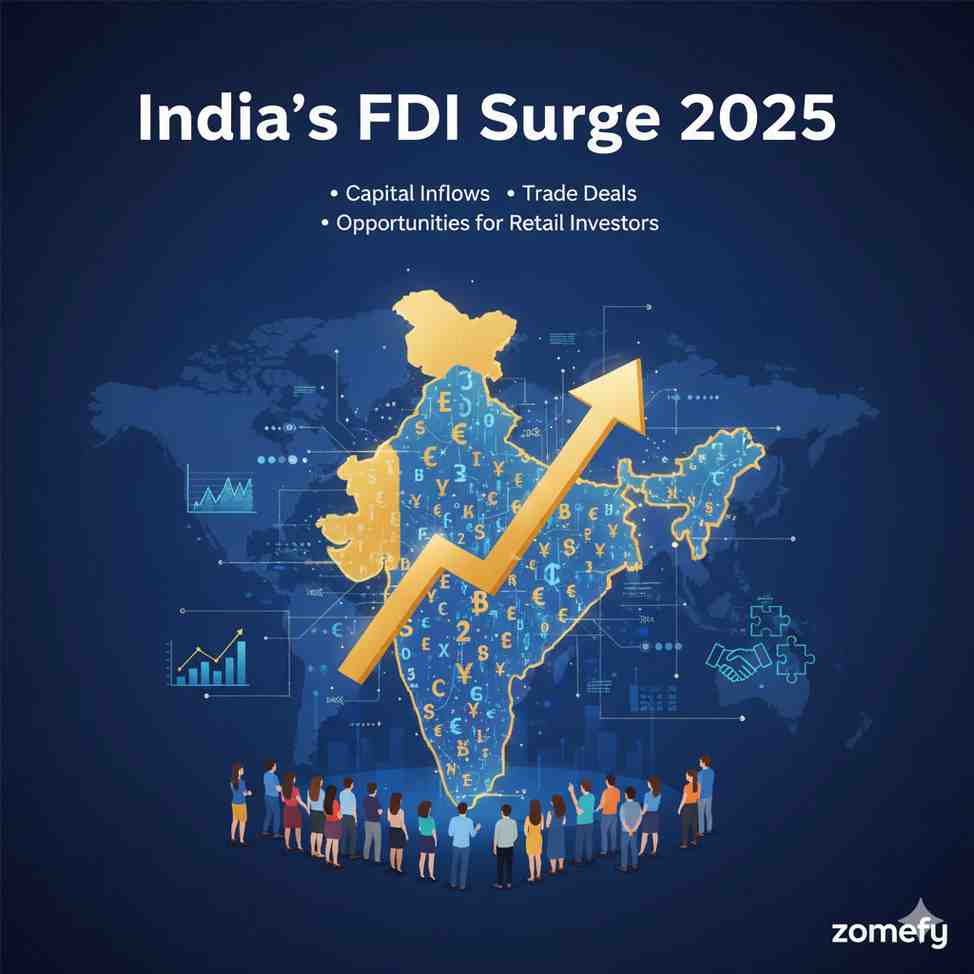
India’s Union Budget 2026: Infrastructure Spending Surge, Tax Relief Impacts & Retail Investor Opportunities
India's Union Budget 2026 is poised to be a pivotal moment for the nation's economic trajectory, with experts advocating a massive surge in infrastructure spending to ₹12 lakh crore, building on th...
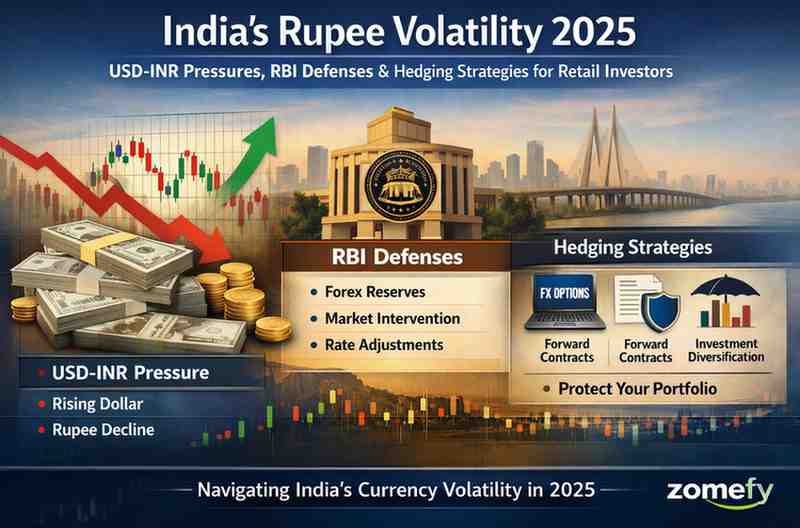
India’s Rupee Volatility 2025: USD-INR Pressures, RBI Defenses & Hedging Strategies for Retail Investors
The Indian Rupee (INR) experienced unprecedented volatility in 2025, breaching the 91 per USD mark for the first time amid US tariffs, record FII outflows of $18 billion, and restrained RBI interve...

India’s AI-Driven Fintech Revolution 2025: Cross-Border UPI Expansion, Wealth Tech Monetisation & Investor Plays
India's fintech sector is undergoing a seismic transformation powered by artificial intelligence, positioning the nation as a global leader in digital financial innovation by 2025.

India’s REIT Renaissance 2025: Real Estate Yield Surge, Commercial Revival & Portfolio Diversification Strategies
India's Real Estate Investment Trusts (REITs) are experiencing a remarkable renaissance in 2025, marking a pivotal shift from nascent experimentation to robust market maturity.
Mutual Funds
Comprehensive analysis of mutual funds with performance data and investment strategies
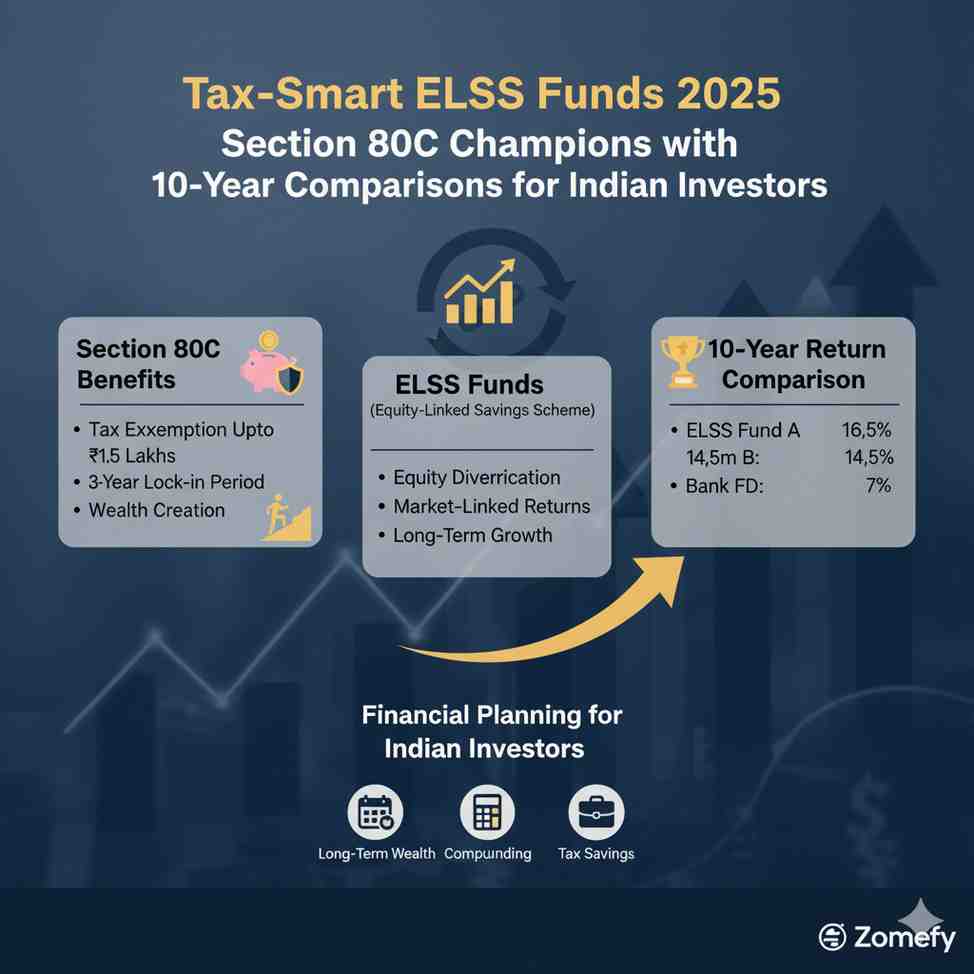
Tax-Smart ELSS Funds 2025: Section 80C Champions with 10-Year Return Comparisons for Indian Investors
Equity-Linked Savings Schemes (ELSS) have long been a cornerstone of tax planning for Indian investors seeking to optimize their tax liability under Section 80C of the Income Tax Act.

Mid Cap Momentum 2025: Identifying High-Growth, Risk-Adjusted Mutual Funds for Indian Investors
In the evolving landscape of Indian equity markets, mid-cap mutual funds have emerged as a compelling investment avenue for retail investors and financial professionals alike.

Large Cap Leaders 2025: Decoding the 10-Year Consistency of India’s Top Bluechip Funds
Indian retail investors and financial professionals often seek stable and consistent returns from their investments, particularly in the large-cap segment.

Unlocking Investment Potential in 2025: A Beginner's Guide to ETFs and Index Funds in India
As Indian retail investors increasingly seek efficient, cost-effective ways to build wealth, Exchange-Traded Funds (ETFs) and index funds have emerged as powerful tools to unlock investment potenti...
Sector Analysis
Deep-dive analysis of Indian sectors with valuation frameworks and growth prospects
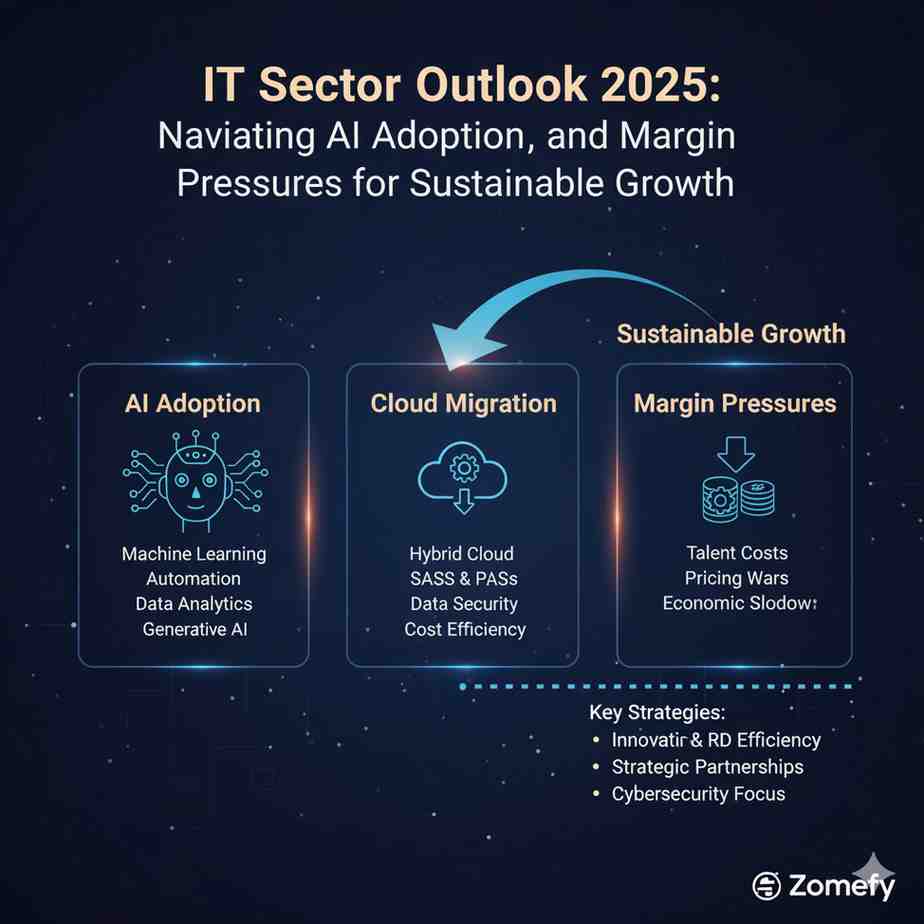
IT Sector Outlook 2025: Navigating AI Adoption, Cloud Migration, and Margin Pressures for Sustainable Growth
India’s IT sector is at a pivotal juncture in 2025, shaped by rapid AI adoption, accelerating cloud migration, and persistent margin pressures.
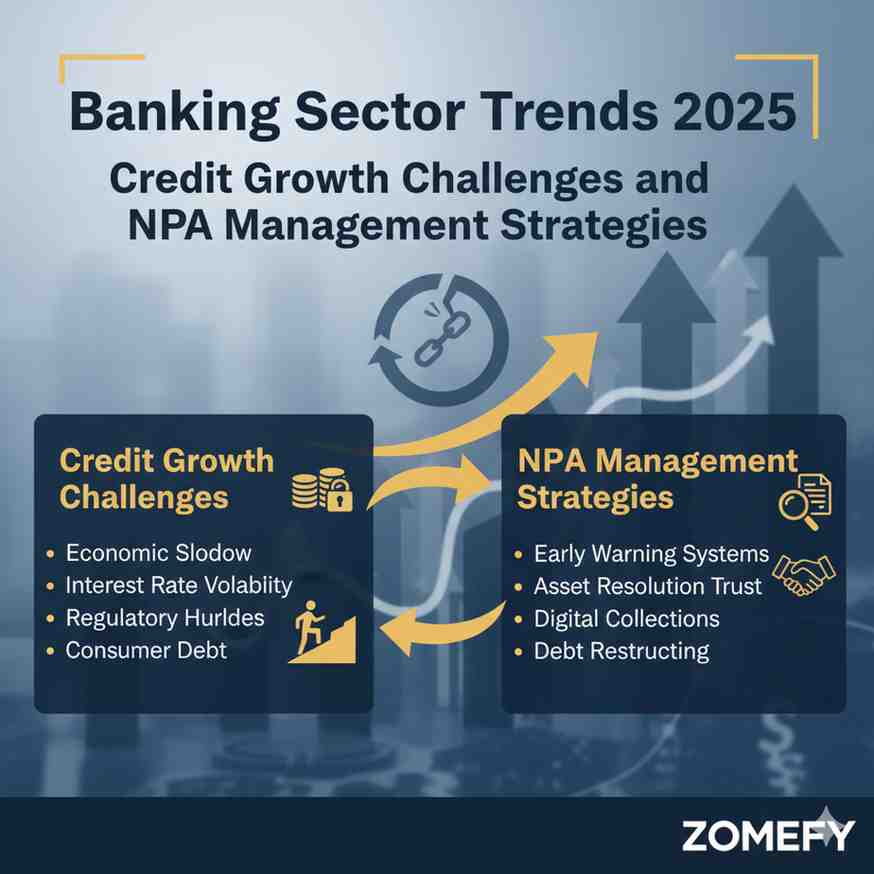
Banking Sector Trends 2025: Credit Growth Challenges and NPA Management Strategies
The Indian banking sector in 2025 stands at a critical juncture characterized by evolving credit growth dynamics, asset quality challenges, and strategic shifts in non-performing asset (NPA) manage...
TCS Stock Analysis 2025: DCF Model and Growth Prospects
Complete fundamental analysis of TCS with DCF valuation model, growth prospects, and investment recommendation for 2025.
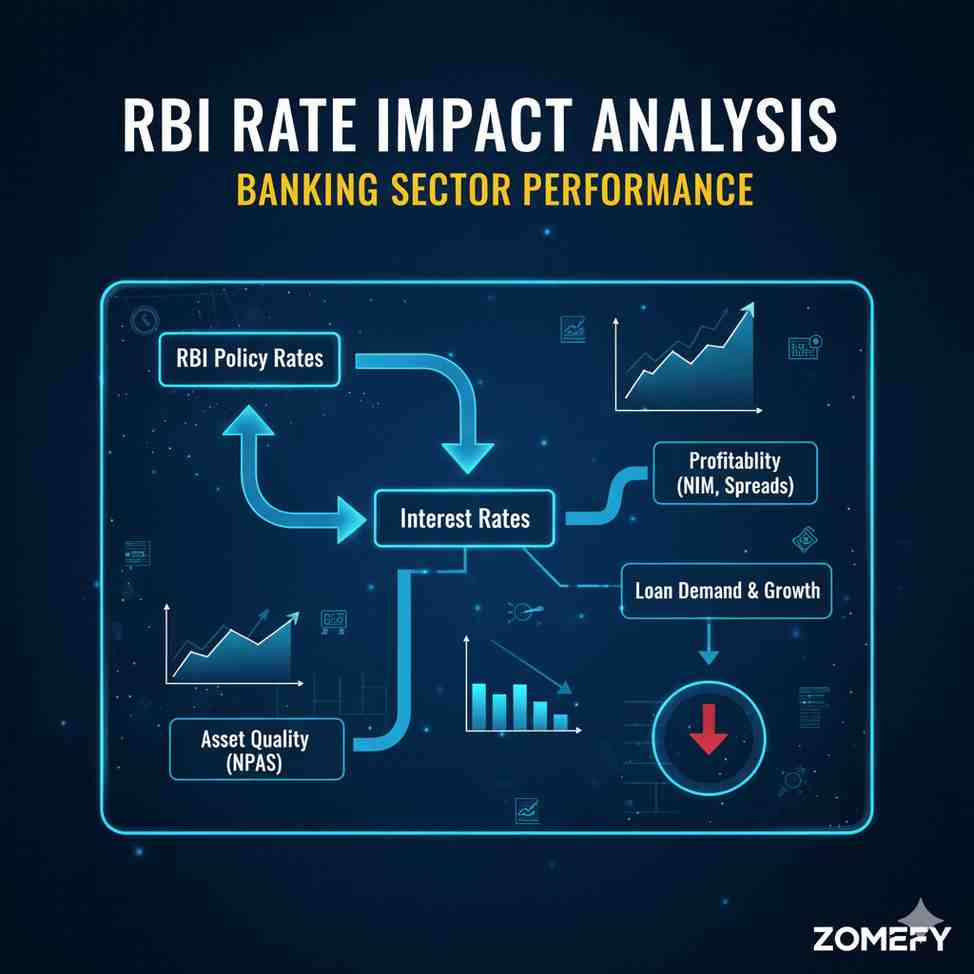
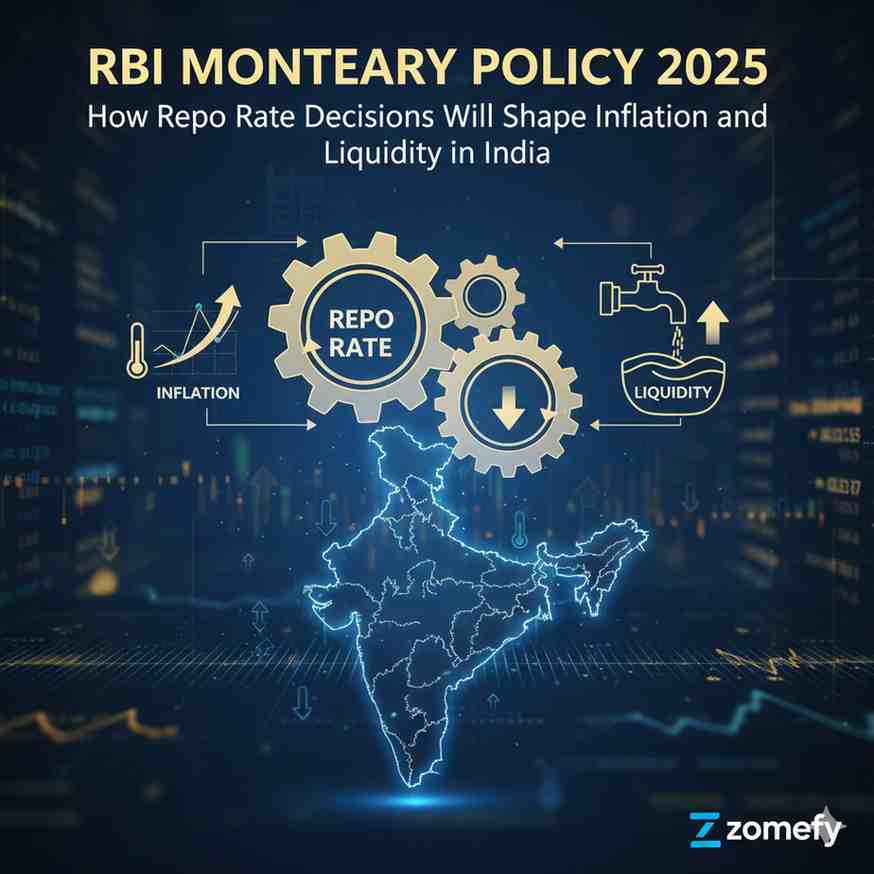
RBI Rate Impact Analysis: Banking Sector Performance
Comprehensive analysis of how RBI rate changes impact banking sector performance with historical data and future outlook.
Technical Analysis
Essential technical indicators and trading strategies for Indian markets

Moving Average Crossover Strategies 2025: Mastering SMA & EMA for Reliable Trend Following in Indian Markets
In the dynamic landscape of Indian financial markets, mastering technical tools for reliable trend identification is crucial for retail investors and financial professionals alike.

Risk Management for Technical Traders: Position Sizing & Stop-Loss Strategies
Master risk management for technical traders with position sizing, stop-loss strategies, and portfolio heat management.

Breakout Trading Strategy: Channel Breaks & Volume Confirmation
Master breakout trading with channel breaks, volume confirmation, and false breakout protection for Indian markets.

Fibonacci Trading Strategy: Retracements & Extensions for Indian Markets
Master Fibonacci trading with retracements, extensions, and confluence analysis for Indian markets.
Startup & Unicorn
Deep-dive analysis of Indian startups, unicorns, and new-age tech companies. Understand business models, valuations, unit economics, and investment risks.

BYJU'S 2025: Edtech Unicorn's Restructuring Roadmap and Path to $5B Revival
Imagine a phoenix rising from the ashes of India's edtech boom and bust – that's BYJU'S in 2025, the once-$22 billion unicorn now charting a bold restructuring roadmap toward a $5 billion revival b...

Ola Electric 2025: EV Unicorn's Battery Tech Leap and Path to $10B Profitability
The search results provided contain **contradictory and incomplete information** that makes it impossible to write an accurate article titled "Ola Electric 2025: EV Unicorn's Battery Tech Leap and ...

Paytm 2025: Post-Listing Revival, Revenue Diversification and Path to Sustainable Profits
Imagine a phoenix rising from the ashes of regulatory turmoil – that's Paytm in 2025.

Meesho 2025: Social Commerce Unicorn's $5B IPO Path and Rural Reseller Economics
Imagine a Bengaluru garage in 2015 where two IIT Delhi alumni, Vidit Aatrey and Sanjeev Barnwal, spotted a goldmine in India's overlooked Tier-2 and Tier-3 cities.