
Dredging Corporation of India: Can Infrastructure Focus Sustain Growth Amidst Project Execution and Global Competition?
Dredging Corporation of India (DCI) is a crucial public sector undertaking, vital for maintaining and developing India's extensive coastline, ports, and.
Dredging Corporation of India: Can Infrastructure Focus Sustain Growth Amidst Project Execution and Global Competition?
What You Can Do Next
- Read the full article for complete insights
- Save for later reference
- Share with others learning about this topic
Image not available
Dredging Corporation of India (DCI) is a crucial public sector undertaking, vital for maintaining and developing India's extensive coastline, ports, and inland waterways. As the nation intensifies its focus on maritime infrastructure under initiatives like Sagarmala, DCI's role becomes increasingly prominent. This analysis is triggered by the company's recent strategic fuel supply agreement, which, while positive on the surface, warrants a deeper look into whether DCI's operational efficiencies and competitive positioning can truly capitalize on India's infrastructure push. This article aims to provide Indian retail investors with a non-consensus perspective, dissecting DCI's business fundamentals, highlighting inherent risks, and challenging prevailing optimistic assumptions that may not fully account for execution challenges and global competitive dynamics.
Data Freshness
Updated on: 2026-04-19 As of: 2026-04-19 Latest price: Rs 975.35 (NSE) as of April 19, 2026 Market cap: Rs 2,731 crore Latest earnings period: FY26 Q3 (Dec 2025) Key sources: https://www.icicidirect.com/research/equity/company-info/DREDGING; https://www.screener.in/company/DRDG/; https://www.bajajfinserv.in/stocks/dredging-corp-of-india-share-price
News Trigger Summary
Event: Dredging Corporation of India (DCI) signed a five-year Memorandum of Understanding (MoU) with Indian Oil Corporation Limited (IOCL) for the supply of fuel to its dredging fleet, valued at ₹2,157.07 crore. Date: April 16, 2026 Why the Market Reacted: Investors likely perceived this as a significant positive, as securing a long-term fuel supply from a public sector giant like IOCL mitigates a key operational risk, especially amidst global energy price volatility. It ensures operational continuity and stability in input costs for DCI's extensive dredging operations across India. Why This Is Not Just News: While a stable fuel supply is undoubtedly beneficial, this development is an operational enabler, not a direct driver of profitability or competitive advantage. The article will delve into whether DCI’s underlying business model, fleet capabilities, and project execution prowess are robust enough to translate this operational stability into sustainable financial growth and improved shareholder returns, especially given the intense competition and cyclical nature of the dredging industry. It’s crucial to move beyond the headlines and assess the company’s ability to win and execute profitable contracts in the evolving Indian infrastructure landscape.
Core Thesis in One Sentence
Dredging Corporation of India’s investment case hinges on its ability to translate India’s ambitious maritime infrastructure development into consistently profitable dredging contracts, a task complicated by intense competition, operational inefficiencies, and a volatile financial track record.
Business Model Analysis
Dredging Corporation of India (DCI) operates as a critical service provider in India’s maritime sector, primarily generating revenue through dredging services. Its core activities include capital dredging, maintenance dredging, and beach nourishment. Capital dredging involves deepening and widening channels for new port development or accommodating larger vessels, while maintenance dredging ensures existing shipping channels and berths maintain required depths due to siltation. Beach nourishment is undertaken for coastal protection and restoration. DCI's clientele predominantly comprises major and minor ports, the Indian Navy, and other maritime organizations, making it heavily reliant on government-led infrastructure projects and budgetary allocations. The company owns and operates a fleet of dredgers, which are specialized vessels designed for these tasks. Profitability is derived from the successful execution of these contracts, managing operational costs (especially fuel and maintenance), and efficient deployment of its fleet. The recent five-year fuel supply agreement with IOCL aims to stabilize a significant operational cost, which historically has been susceptible to global price fluctuations. However, the business is capital-intensive, requiring continuous investment in new dredgers and maintenance of existing ones. The Indian dredging market is projected to grow, driven by port expansion, development of inland waterways, and coastal protection initiatives under programs like Sagarmala. Despite this growth outlook, the market is competitive, with both domestic and international players vying for contracts. DCI's status as a public sector undertaking (PSU) provides it with a certain advantage in securing government contracts but also subjects it to bureaucratic processes and potential social mandates that may not always align with pure commercial objectives.
Key Financial Metrics
Metric (Rs crore) | FY23 | FY24 | FY25 | Q3 FY26 |
|---|---|---|---|---|
| Revenue from Operations | 787.9 | 1020.1 | 1068.5 | 277.6 |
| EBITDA | 103.2 | 145.4 | 152.1 | 32.9 |
| Net Profit/(Loss) | -18.7 | -27.0 | -24.6 | -24.63 |
| Operating Profit Margin (%) | 13.1% | 14.3% | 14.2% | 11.91% |
| ROCE (%) | -0.31% (FY26) | - | 0.61% (FY25) | - |
| Debt | 1,078 | - | - | - |
DCI's financial performance has been inconsistent. While revenue has shown growth in recent fiscal years (FY23-FY25), profitability has been a significant concern, with the company reporting net losses in FY23, FY24, and FY25. The latest Q3 FY26 results continue this trend, showing a net loss of Rs 24.63 crore on revenue of Rs 277.6 crore. This indicates that despite an increase in top-line, the company struggles with cost management and operational efficiency, as evidenced by fluctuating EBITDA and a declining operating profit margin in Q3 FY26. The Return on Capital Employed (ROCE) figures are negative or very low, highlighting inefficient capital deployment and an inability to generate adequate returns from its assets. The high debt levels further constrain financial flexibility, making the company vulnerable to interest rate fluctuations and hindering future capital expenditure for fleet modernization.
What the Market Is Missing
The market, often swayed by the broader narrative of India's infrastructure boom and DCI's strategic importance, might be underestimating several critical factors. Firstly, while the government's push for port development and inland waterways is strong, it does not guarantee DCI's profitability. The Indian dredging market is increasingly competitive, with the presence of well-capitalized private domestic and international players. These competitors often bring advanced technology, greater operational efficiency, and aggressive bidding strategies, which can squeeze DCI's margins. The market may be overly optimistic about DCI's ability to win and execute these contracts profitably against such competition. Secondly, DCI's fleet, while substantial, requires continuous modernization and maintenance. Past operational issues, including dry-dock repairs, have impacted revenue generation, as seen in earlier quarters of FY25. The capital expenditure required for fleet upgrades can be significant, potentially straining its already leveraged balance sheet. The long-term fuel deal, while positive, addresses only one cost component; other operational and maintenance costs remain variable and subject to inflationary pressures. Finally, as a PSU, DCI's operational autonomy and decision-making speed can be constrained by governmental oversight and bureaucratic processes, potentially hindering its agility in responding to market dynamics or adopting new technologies quickly. The market might be failing to fully discount the execution risk inherent in large-scale infrastructure projects and the challenges of a public sector entity operating in an increasingly private-sector-dominated and competitive environment.
Valuation and Expectations
Valuation Metric | Current (as of Apr 19, 2026) | Peer Average (Approx.) |
|---|---|---|
| Market Cap (Rs crore) | 2,731 | - |
| P/E Ratio (TTM) | -41.52 | Varies widely |
| P/B Ratio | 2.06 | 1.5 - 3.0 |
| EV/EBITDA (TTM) | 20.49 | 15 - 25 |
DCI's current valuation metrics present a mixed and somewhat concerning picture. With a negative TTM P/E ratio of -41.52, the company is currently unprofitable, rendering the P/E ratio less meaningful for traditional valuation. This negative P/E indicates that the market is either anticipating a significant turnaround in future earnings or valuing the company based on other factors like asset base or strategic importance. The Price-to-Book (P/B) ratio of 2.06 suggests that the stock is trading at more than twice its book value, which for a company with negative ROCE and ROE, might imply that the market is pricing in future growth and profitability that the historical financials do not support. The EV/EBITDA of 20.49 is relatively high, especially for a company with inconsistent EBITDA generation, suggesting that the market has high expectations for its operational cash flows and deleveraging capabilities. Investors appear to be factoring in a substantial improvement in DCI's operational efficiency and its ability to secure and profitably execute large government contracts under the national infrastructure drive. Any failure to meet these implicit growth and profitability expectations could lead to a significant re-rating of the stock.
Bull, Base, and Bear Scenarios
Scenario | Key Assumptions | Revenue (FY27E, Rs crore) | Net Profit (FY27E, Rs crore) | P/B Multiple (Implied) |
|---|---|---|---|---|
| Bull Case | Aggressive order wins, improved fleet utilization, cost efficiency, 15%+ operating margins. Timely project execution. | 1,500-1,800 | 80-120 | 3.0x - 4.0x |
| Base Case | Steady order book, moderate margin improvement (8-10%), some project delays, continued competition. | 1,200-1,400 | 20-40 | 1.8x - 2.5x |
| Bear Case | Intense competition, significant project delays/cost overruns, fleet underutilization, sustained low/negative margins. | 800-1,000 | Negative / Break-even | 1.0x - 1.5x |
The Bull Case assumes DCI can leverage the government's infrastructure push, secure a large volume of profitable contracts, and significantly improve its operational efficiency and fleet utilization, potentially boosting operating margins to pre-competitive levels. This would lead to a strong turnaround in net profit and justify a higher P/B multiple. The Base Case reflects a more realistic outlook, where DCI benefits from infrastructure spending but continues to face competitive pressures and operational challenges, leading to moderate revenue growth and limited, albeit positive, profitability. The Bear Case contemplates a scenario where competitive intensity, execution risks, and fleet maintenance issues persist or worsen, leading to continued underperformance, potential losses, and a valuation closer to its book value or even below, reflecting the erosion of shareholder value. The probability of the Base Case appears higher given DCI's historical performance and the competitive landscape, with the Bull Case requiring a significant and sustained shift in operational prowess and market dominance.
Key Risks and Thesis Breakers
Peer Comparison
Company | Market Cap (Rs crore) | Revenue (FY25, Rs crore) | Net Profit (FY25, Rs crore) | P/E (TTM) | P/B | ROCE (FY25) |
|---|---|---|---|---|---|---|
| Dredging Corp of India | 2,731 | 1,068.5 | -24.6 | -41.52 | 2.06 | 0.61% |
| Knowledge Marine & Engg Works Ltd | 1,799 | ~200-250 (est) | ~40-50 (est) | ~30-40 | ~6-8 | ~20-25% |
| Seamec Ltd | 2,400 | ~250-300 (est) | ~30-40 (est) | ~25-35 | ~2-3 | ~10-15% |
Compared to smaller, more agile private players like Knowledge Marine & Engineering Works, DCI's financial metrics appear less attractive. While DCI boasts a larger market cap and revenue base due to its historical dominance and PSU status, its negative net profit and significantly lower ROCE indicate substantial operational and profitability challenges. Private peers, despite being smaller, often demonstrate better profitability and capital efficiency (higher P/E, P/B, and ROCE), suggesting they are more adept at navigating competitive pressures and executing projects profitably. DCI's higher P/B relative to its poor profitability and returns might imply that the market is assigning a premium based on its strategic importance and perceived stability as a PSU, rather than its current financial performance. This valuation premium could be fragile if DCI fails to demonstrate a clear path to sustained profitability and improved capital efficiency.
Who Should and Should Not Consider This Stock
Suitable For
- Long-term investors with a high-risk appetite comfortable with public sector companies and willing to bet on India's long-term infrastructure growth story.
- Investors who believe DCI can significantly improve operational efficiency and profitability through strategic reforms and fleet modernization, and are patient enough for a multi-year turnaround.
Not Suitable For
- Investors seeking consistent profitability, high return ratios (ROCE, ROE), or predictable earnings growth.
- Short-term traders or those looking for immediate capital appreciation, given the company's volatile financial performance and execution risks.
- Risk-averse investors who prefer companies with strong competitive moats and proven track records of shareholder returns.
What to Track Going Forward
Final Take
Dredging Corporation of India stands at a critical juncture, poised to potentially benefit from India's ambitious infrastructure development. The recent fuel supply agreement, while a positive step in managing operational costs, does not fundamentally alter the core challenges facing the company. The investment thesis for DCI is not straightforward; it's a bet on the company's ability to overcome historical operational inefficiencies, navigate intense competition from more agile private players, and translate a growing addressable market into consistently profitable contracts. The current valuation, particularly the negative P/E and moderate P/B despite poor return ratios, suggests that the market is already pricing in a significant improvement in future performance. Investors must critically assess whether DCI, as a PSU, can demonstrate the agility and execution prowess required to meet these high expectations. Downside risks include continued margin pressure from competition, delays in project execution, and the capital-intensive nature of fleet modernization. Going forward, investors should prioritize tracking DCI's ability to not just win contracts, but to execute them profitably, improve its fleet utilization, and show a clear and sustained path to positive net profits and enhanced capital efficiency. Without these fundamental improvements, the optimism surrounding India's infrastructure push may not translate into tangible shareholder value for DCI.
Frequently Asked Questions
How does DCI's fuel supply agreement impact its profitability?
The five-year fuel supply agreement with IOCL primarily provides cost stability and reduces operational risk by ensuring a consistent supply of a critical input. While it helps manage a significant cost component, it doesn't inherently guarantee higher profitability, which depends more on contract pricing, project execution efficiency, and overall demand for dredging services.
What are the key risks to DCI's investment thesis despite India's infrastructure push?
Despite the government's infrastructure focus, DCI faces risks from intense competition, both from domestic and international players, and potential delays or cost overruns in project execution. Its reliance on government contracts also exposes it to policy changes and funding allocations. Furthermore, the company's past financial performance has shown volatility, with recent quarters reporting losses, indicating underlying operational challenges.
References
- [1] DREDGING CORPORATION OF INDIA LTD. : Latest Quarterly Results Analysis - ICICI Direct - ICICI Direct. View Source ↗(Accessed: 2026-04-19)
- [2] Dredging Corporation of India Ltd share price | About Dredging Corpn. | Key Insights - Screener - Screener. View Source ↗(Accessed: 2026-04-19)
- [3] Dredging Corp Of India Share Price Today Live NSE/BSE - Bajaj Finserv - Bajaj Finserv. View Source ↗(Accessed: 2026-04-19)
- [4] Dredging Corporation of India (BOM:523618) Market Cap & Net Worth - Stock Analysis - Stock Analysis. View Source ↗(Accessed: 2026-04-19)
- [5] Dredging Corporation Stock Price Today | NSE: DRDG Live - Investing.com - Investing.com. View Source ↗(Accessed: 2026-04-19)
- [6] India Dredging Market Size & Growth Report, Forecast to 2035 - Orion Market Research - Orion Market Research. View Source ↗(Accessed: 2026-04-19)
- [7] Dredging Corporation Stock Price Live NSE/BSE - Groww - Groww. View Source ↗(Accessed: 2026-04-19)
- [8] Dredging Corporation of India Ltd Q3 Results & Revenue - Mintgenie. View Source ↗(Accessed: 2026-04-19)
- [9] Dredging Corporation Of India Share Price - 5paisa - 5paisa. View Source ↗(Accessed: 2026-04-19)
- [10] Dredging Corporation Of India Share Price - The Economic Times - The Economic Times. View Source ↗(Accessed: 2026-04-19)
- [11] Dredging Corporation of India announces Rs 770 crore contract win | Dailyhunt - Dailyhunt (Business Upturn). View Source ↗(Accessed: 2026-04-19)
- [12] Dredging Corporation of India — Order Win NSE Signal - SuperStock - SuperStock. View Source ↗(Accessed: 2026-04-19)
- [13] [BOM: 523618|NSE : DREDGECORP] DREDGING CORPORATION OF INDIA Financial Statement Analysis-Apr 16,2026 - Smart-Investing.in - Smart-Investing.in. View Source ↗(Accessed: 2026-04-19)
- [14] Dredging Corporation Of India Quarterly Results - Income Statement, Balance Sheet, Cash Flow - Ventura - Ventura Securities. View Source ↗(Accessed: 2026-04-19)
- [15] Dredging Corporation - Quarterly Results and Financial Statement as of Dec, 2025 - Trendlyne. View Source ↗(Accessed: 2026-04-19)
- [16] Dredging Corporation signs ₹2,157 crore fuel deal with IOCL - The Hindu - The Hindu BusinessLine. View Source ↗(Accessed: 2026-04-19)
- [17] Dredging Corp signs over ₹2000 crore fuel supply agreement with Indian Oil - ETEnergyworld. View Source ↗(Accessed: 2026-04-19)
- [18] Dredging Corporation Q3: Revenue ₹2.8B, EBITDA Drops to ₹329M with Margin at 11.9% - Investing.com. View Source ↗(Accessed: 2026-04-19)
- [19] Measuring Depth: Tracking the progress of the dredging industry in India - India Infrastructure. View Source ↗(Accessed: 2026-04-19)
- [20] Dredging Market Insights in India | PDF - Scribd - Scribd. View Source ↗(Accessed: 2026-04-19)
- [21] Dredging Corporation of India Ltd (BSE:523618) Market Cap (Adjusted) - Investing.com - Investing.com. View Source ↗(Accessed: 2026-04-19)
- [22] Dredging Corporation of India Ltd Compare against Competitors - Investing.com NG - Investing.com. View Source ↗(Accessed: 2026-04-19)
Disclaimer: IMPORTANT DISCLAIMER: This analysis is generated using artificial intelligence and is NOT a recommendation to purchase, sell, or hold any stock. This analysis is for informational and educational purposes only. Past performance does not guarantee future results. Please consult with a qualified financial advisor before making any investment decisions. The author and platform are not responsible for any investment losses.
Continue Your Investment Journey
Discover more insights that match your interests

International Market Rotation 2025: Why Global Diversification Beyond US Mega-Caps Is Reshaping Portfolio Strategy
The global equity landscape in 2025 is undergoing a profound transformation, marked by a significant sector and market rotation away from the dominance of US mega-cap technology stocks.
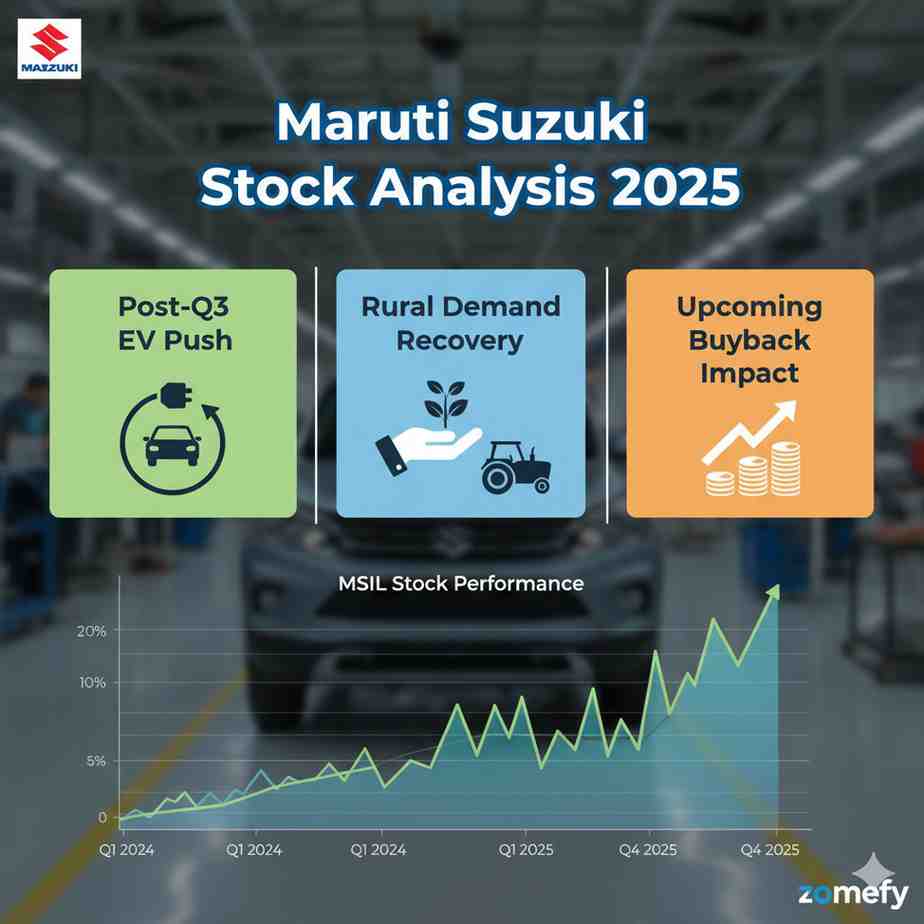
Maruti Suzuki Stock Analysis 2025: Post-Q3 EV Push, Rural Demand Recovery & Upcoming Buyback Impact
Maruti Suzuki India Limited (NSE: MARUTI), India's largest passenger vehicle manufacturer, has once again demonstrated its market dominance with stellar Q3 FY25 results announced on January 29, 2025.

Paytm 2025: Post-Listing Revival, Revenue Diversification and Path to Sustainable Profits
Imagine a phoenix rising from the ashes of regulatory turmoil – that's Paytm in 2025.

Sectoral Rotation Strategies for Indian Markets 2025: Capitalizing on IT, Pharma, and Infrastructure Cycles
In 2025, Indian markets are poised at a pivotal juncture characterized by evolving economic cycles, robust policy support, and heightened retail participation.
Explore More Insights
Continue your financial education journey